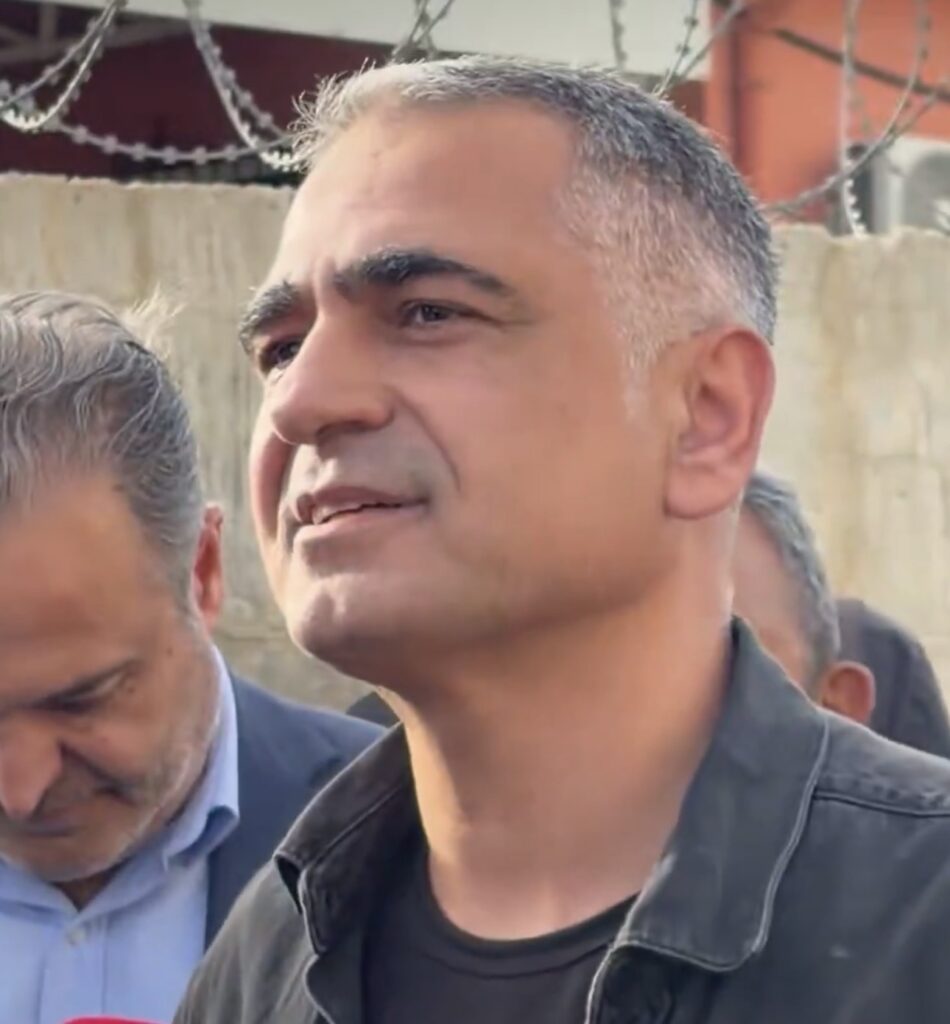
The release of Turkish trade union leader Mehmet Türkmen after 57 days in prison is a victory for workers, trade unionists, and all those who stood in solidarity against repression in Turkey. But his case has exposed something far deeper than the unjust imprisonment of one union organiser: it has shone an international spotlight on the deadly working conditions faced by textile workers in Gaziantep and the growing criminalisation of labour activism.
Türkmen, general president of BİRTEK-SEN, was arrested on 17 March after publicly speaking about workplace injuries, unpaid wages, and dangerous factory conditions in Turkey’s textile and carpet industries. Prosecutors accused him of “publicly spreading misleading information,” while also reportedly seeking measures that could have barred him from trade union activity.
His real “crime” was exposing the human cost of production in one of Turkey’s major export hubs.
Gaziantep’s factories produce goods for markets across Europe and the United States. Yet behind those exports lies a brutal reality of unsafe machinery, relentless production pressure, weak inspections, and widespread workplace injuries. According to figures compiled by the Workers’ Health and Work Safety Assembly (İSİG), at least 555 workers have died on the job in Gaziantep over the past 13 years.
Türkmen and BİRTEK-SEN repeatedly warned that amputations and serious injuries in the textile sector are not isolated accidents but the predictable outcome of a production system that prioritises profit over human life.
One worker, Mustafa Akkurt, who lost his right hand in a factory accident ten years ago, spoke movingly about the impact of those conditions. Unable to work since the injury and denied proper compensation, he described years of hardship and depression. “I am not a tree,” he said. “I cannot grow back.” Türkmen, he explained, was one of the few people who stood beside him and helped him understand his rights.
The case against Türkmen quickly became an international issue because it raised serious questions about labour rights, corporate responsibility, and global supply chains. Trade union representatives, democratic organisations, and international observers gathered in Gaziantep for the trial on 12 May. A seven-member international delegation of trade unionists from Germany and United Kingdom was present as trial observers.
Ali Çiçek from the International Trade Union Exchange Cologne stated: “Capital acts and organizes itself globally; the working class must also organize and position itself internationally in order to enforce its interests. Good work and solidarity worldwide!”
Paul Kershaw from the National Shop Steward’s Network (NSSN): “Today was an important day for democratic worker’s rights. We can’t accept that human rights stop at the factory gates. We will redouble solidarity at an international level and continue to highlight and observe anti-democratic and anti worker’s actions.”
Outside the courthouse, workers and supporters demanded justice, insisting that those exposing unsafe conditions should not be imprisoned while employers escape accountability.
The court ultimately acquitted Türkmen and ordered his release after nearly two months in detention. Reports from the hearing stated that supporters from across Turkey and Europe attended in solidarity.
Following his release, Türkmen declared: “I will continue the struggle from where I left off.” That message reflects both determination and the wider reality facing workers in Turkey today.
During his imprisonment, serious concerns were also raised about his treatment in custody. Multiple reports alleged that he was placed in isolation after speaking out about prison conditions and the treatment of sick prisoners.
Türkmen’s release is welcome and long overdue. But the conditions he exposed remain unchanged. Workers in Turkey continue to face dangerous workplaces, anti-union repression, poverty wages, and increasing attacks on democratic rights. International solidarity therefore remains essential.
Consumers, trade unions, labour rights organisations, and political movements across Europe and beyond must continue demanding accountability from companies profiting from unsafe labour conditions.
The struggle in Gaziantep is not only a Turkish issue. It is part of a global struggle over who pays the price for the products consumed around the world.
Mehmet Türkmen is free today because workers and supporters refused to stay silent. The task now is to ensure that the workers risking their lives in Turkey’s factories are no longer silenced either.